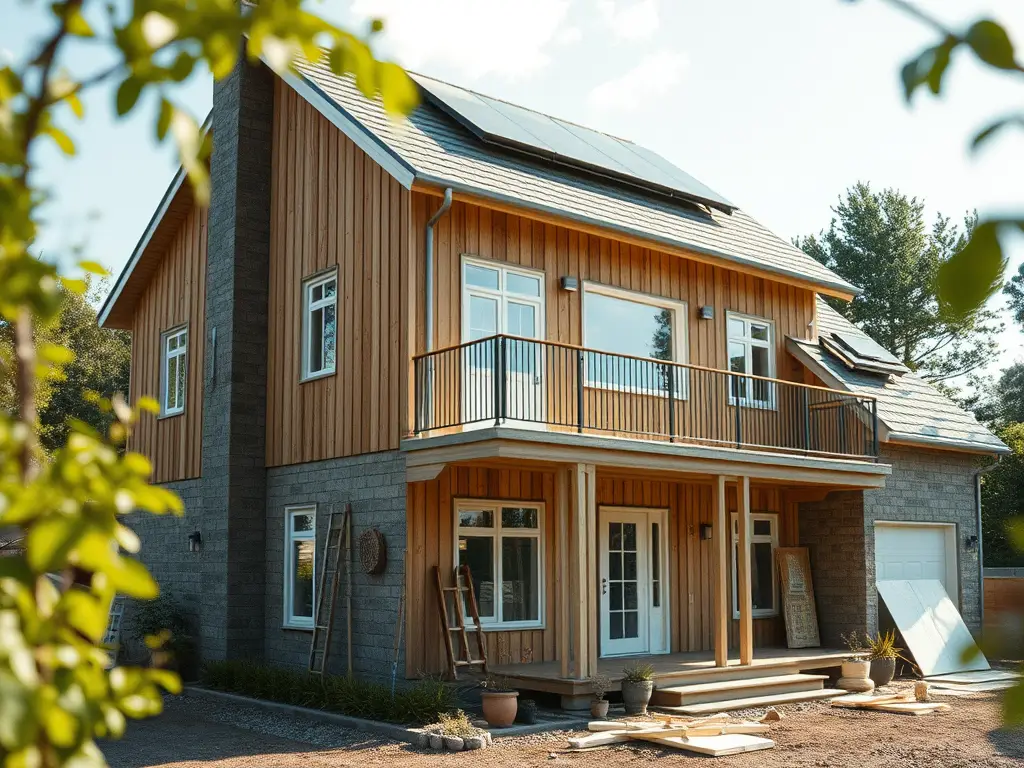
Understanding Airflow and Ventilation
Airflow and ventilation are paramount concepts in ensuring a healthy and comfortable living environment. Airflow refers to the movement of air within a home, which is essential for the circulation of fresh air and the removal of stale, contaminated air. Proper airflow significantly influences indoor air quality, a crucial factor for the health and well-being of residents. Poor ventilation can lead to an accumulation of pollutants, allergens, and excess moisture, potentially resulting in respiratory problems, allergies, and other health issues.
In the context of home environments, ventilation serves as a means to control indoor air quality by facilitating efficient airflow. It works by either introducing fresh outdoor air or exhausting indoor air to ensure a balanced exchange of air within the indoor atmosphere. There are several types of ventilation systems that can be incorporated to manage airflow effectively. Natural ventilation relies on passive mechanisms such as windows, vents, and air leaks to create airflow without mechanical assistance. This method is often supplemented by strategic architectural design that promotes cross-ventilation.
Mechanical ventilation, on the other hand, utilizes powered fans or blowers to facilitate air movement. This system ensures a consistent supply of fresh air while removing pollutants and excess humidity. Hybrid systems combine both natural and mechanical ventilation for optimal performance, tailoring the airflow to suit seasonal changes and varying indoor air quality needs. It is crucial for homeowners to select the appropriate ventilation system based on their specific conditions and preferences, as this choice directly impacts the quality of indoor air and the comfort of the living space. Understanding these elements is foundational for anyone seeking tips for remodeling with an emphasis on enhancing airflow and ventilation.
Assessing Your Current Ventilation System
Evaluating your existing home ventilation setup is a crucial first step in the remodeling process. It allows homeowners to identify areas that require improvement to enhance airflow. Begin by observing the overall comfort of your living spaces; signs of stale air or persistent humidity issues can indicate that your current system is not efficiently circulating fresh air.
To perform a thorough assessment, consider checking for areas that feel musty or excessively humid. These symptoms often suggest poor air exchange, where indoor air is not adequately replenished. Pay attention to specific rooms such as bathrooms and kitchens, as they typically require higher ventilation levels due to moisture-generating activities.
Next, evaluate the functionality of your current ventilation components, including HVAC filters, exhaust fans, and ductwork. Dirty or clogged filters can significantly restrict airflow, making your system less efficient. Regular maintenance is essential to ensure they are functioning optimally. Inspect exhaust fans to verify that they are operational and correctly venting stale air to the outdoors.
Additionally, check your ductwork for leaks or blockages. Leaky ducts can sabotage your efforts to improve ventilation, as conditioned air escapes before reaching its intended spaces. A thorough inspection will provide insight into whether duct cleaning or replacement is necessary, as well as highlight potential areas that would benefit from added ductwork or vents.
By following these tips for remodeling your home’s ventilation system, you are set to enhance airflow efficiently. Understanding the current performance of your ventilation setup will inform which upgrades or changes need to be made, ultimately leading to a more comfortable and healthier living environment.
Smart Remodeling Strategies for Enhanced Airflow
Improving airflow and ventilation within a home is essential for creating a comfortable living environment. One of the primary tips for remodeling that homeowners can consider is the strategic placement of windows. Positioning windows to maximize natural cross-ventilation can significantly enhance airflow. Placing operable windows on opposite walls allows fresh air to enter while stale air can escape, creating a natural breeze throughout the space.
Another effective strategy is to adopt an open floor plan design. This approach minimizes physical barriers, enabling air to circulate more freely from one room to another. By removing unnecessary walls, homeowners can create seamless transitions between spaces, which not only improves airflow but also enhances the overall aesthetic appeal of the home.
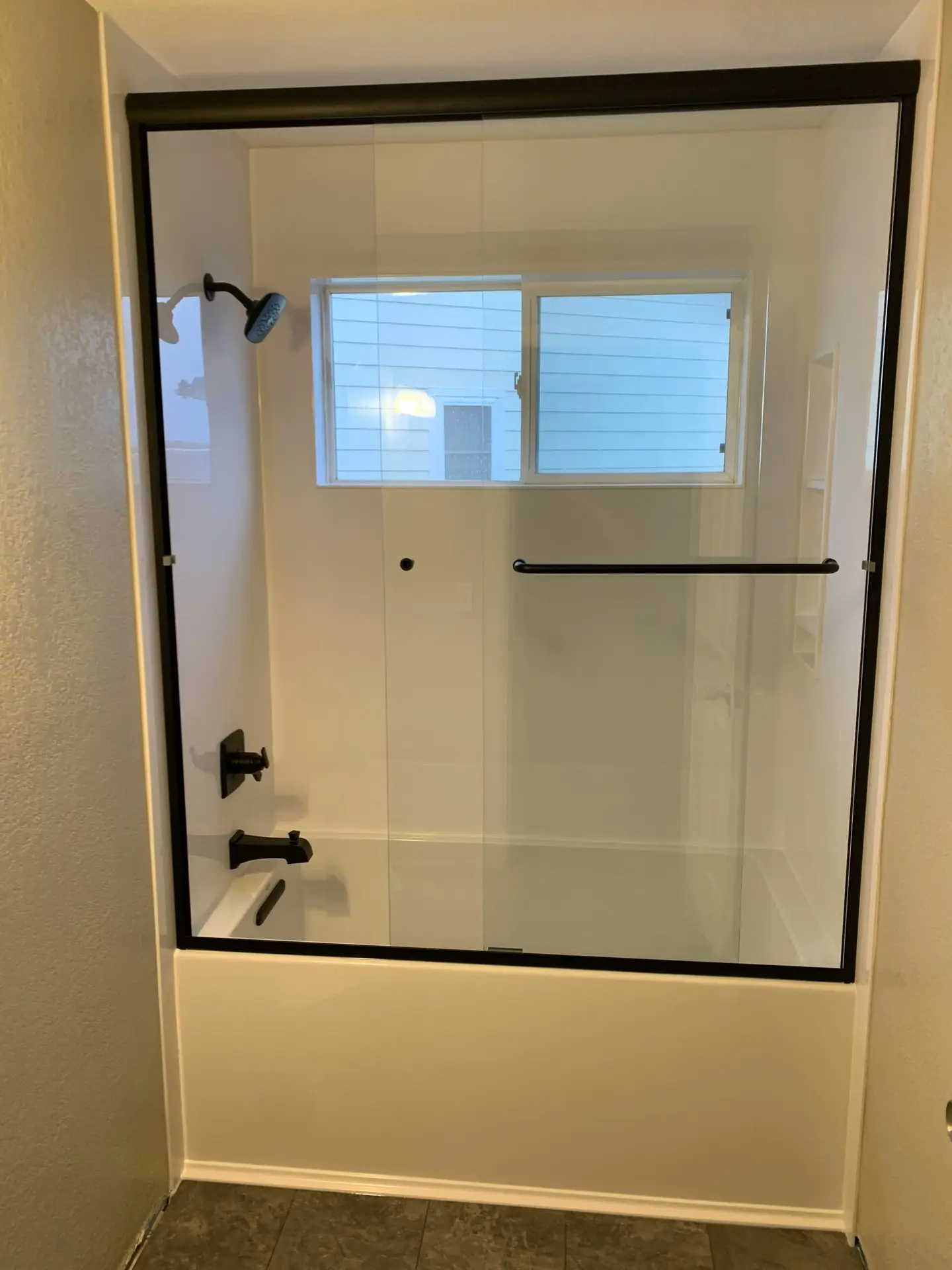
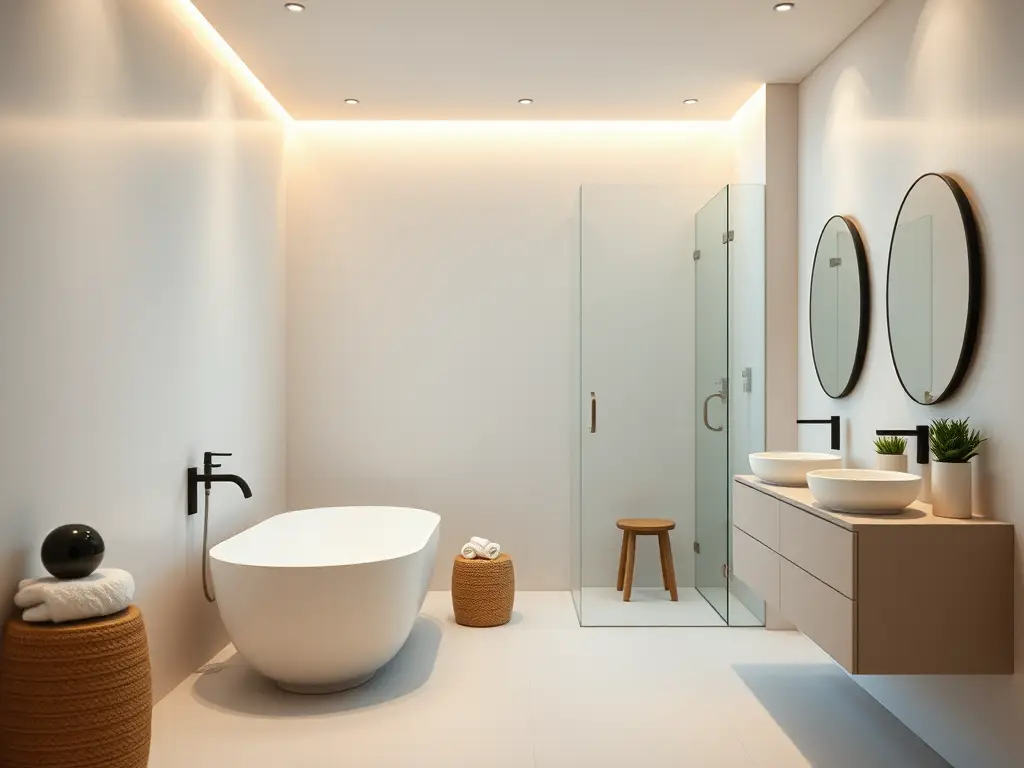
Investing in exhaust fans in areas prone to moisture, such as kitchens and bathrooms, is another vital consideration. These fans actively remove humid air, preventing mold and musty odors. Choosing high-quality exhaust fans that are appropriately sized for the space will enhance ventilation and improve the overall quality of indoor air.
Utilizing strategically placed vents can also aid in optimizing airflow. Incorporating vents into your remodeling plans allows for better circulation and ensures that conditioned air reaches all corners of your home. Pairing vents with ceiling fans can provide an additional boost, promoting an even distribution of air throughout the space.
Lastly, incorporating skylights into your home can bring in natural light while facilitating airflow. Skylights can be designed to open, allowing warm air to escape and creating a draft that pulls cooler air inside. Balancing aesthetics with functional improvements is key in remodeling. By prioritizing airflow and ventilation during your renovation journey, you can create a healthier and more comfortable home environment.
Maintenance Tips for Sustaining Good Airflow
To achieve and maintain optimal airflow and ventilation in a remodeled home, it is crucial to prioritize ongoing maintenance. Regular cleaning is fundamental to ensure that your newly installed ventilation systems remain effective. Start by checking and cleaning air vents and ducts at least every three to six months. Dust and debris can accumulate over time, obstructing airflow and reducing the efficiency of your ventilation. Furthermore, blocked vents can lead to higher energy costs and uneven temperatures throughout your home.
Air filters play a pivotal role in maintaining the quality of indoor air. To sustain good airflow, replace or clean these filters regularly, typically every one to three months, depending on usage and the type of filter. This not only prolongs the life of your HVAC system but also improves air quality, helping reduce allergens and improve overall health. If you’re using an air conditioning unit, consider scheduling seasonal checks with a professional technician to ensure that all components function optimally. This proactive approach can prevent significant issues down the line, further contributing to a comfortable living environment.
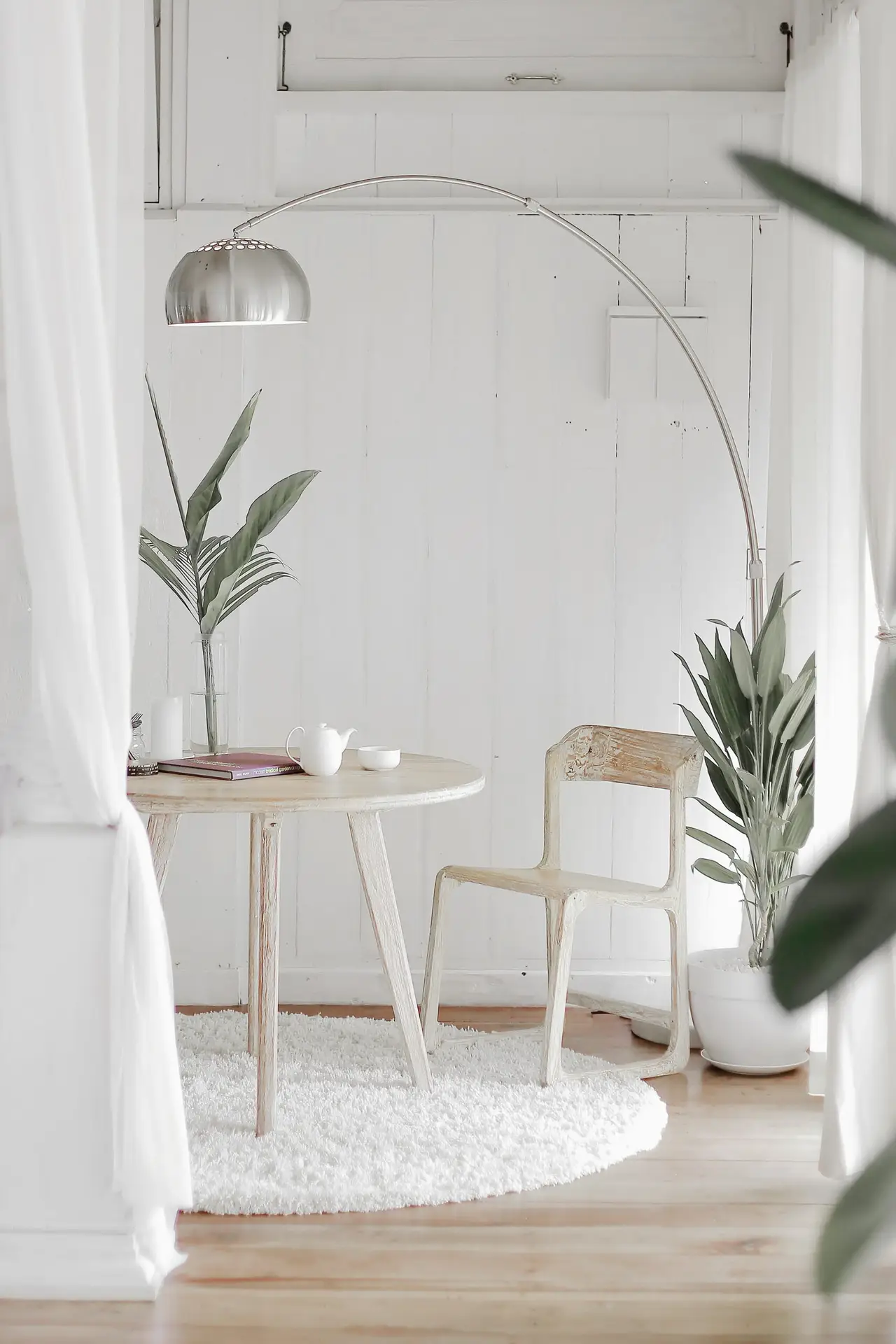
Indoor plants can also significantly enhance your home’s air quality. Certain plants, such as the spider plant and peace lily, are known for their air-purifying properties. To keep your indoor greenery thriving, ensure they receive adequate light and water while avoiding overwatering, as this could lead to mold growth. Regular pruning will help promote growth and airflow around the plants. Integrating these elements into your home not only improves aesthetic appeal but also contributes to better air circulation and a healthier indoor atmosphere.
Engaging in these maintenance tips for remodeling truly enhances airflow throughout your home and ensures a comfortable, breathable environment for all occupants.