Assessing Your Space: Finding the Perfect Spot
Creating a functional home office within your living environment requires careful consideration of various factors. The first step in this process is to assess your current living space to identify the most suitable area for your home office conversion. Start by evaluating the natural lighting available in different rooms. A well-lit environment can significantly enhance productivity; thus, opt for a location that receives ample sunlight during working hours. If possible, position your workspace near a window to benefit from daylight while working.
Next, consider the proximity of potential office locations to common distractions. Rooms that are too close to busy areas such as the living room or kitchen may hinder your concentration. Conversely, a serene corner in a quieter part of your home can provide the peace necessary for focused work. Assessing the layout and flow of your living space will help you visualize how to maintain a balanced environment that encourages productivity.
Additionally, evaluate the available square footage in your chosen area. Depending on the type of work you do, a compact nook may suffice for a home office desk and essential equipment, whereas others may require more generous space for bookshelves, filing cabinets, or additional seating for meetings. Finally, ensure that the prospective office location has easy access to power outlets for your computer, printer, and any other necessary devices. This factor is vital for maintaining a tidy and efficient workspace, allowing you to optimize the functionality of your living space.
Incorporating these considerations while assessing your home allows for a seamless transformation of your living area into a versatile and efficient home office. The goal is to create a space that not only meets your professional needs but also complements your overall living environment.
Essential Furniture and Equipment for Your Home Office
Transforming a section of your living area into a productive home office requires careful consideration of essential furniture and equipment. A well-planned setup can significantly enhance your efficiency and comfort while working from home. The foundation of an ergonomic workspace begins with the right desk and chair. An adjustable desk allows you to customize your workspace to suit your height, promoting better posture and reducing discomfort during long hours of work. Equally important is selecting a high-quality ergonomic chair that offers lumbar support and encourages proper alignment of the spine, which helps maintain energy levels throughout the day.
In addition to the desk and chair, adequate storage solutions are vital for maintaining an organized workspace. Consider incorporating shelves, filing cabinets, or storage bins that blend seamlessly into your living space. These solutions not only help declutter your area but also ensure that all necessary documents and office supplies are easily accessible, contributing to a more efficient workflow.
In the digital age, having the right technology is paramount in any home office conversion. A reliable computer is essential to handle your workload effectively, whether you prefer a desktop or a laptop. Complement your setup with necessary peripherals such as a high-resolution monitor, keyboard, and mouse to enhance your overall productivity. Additionally, incorporating a printer can streamline your work processes, particularly if your tasks require physical documents.
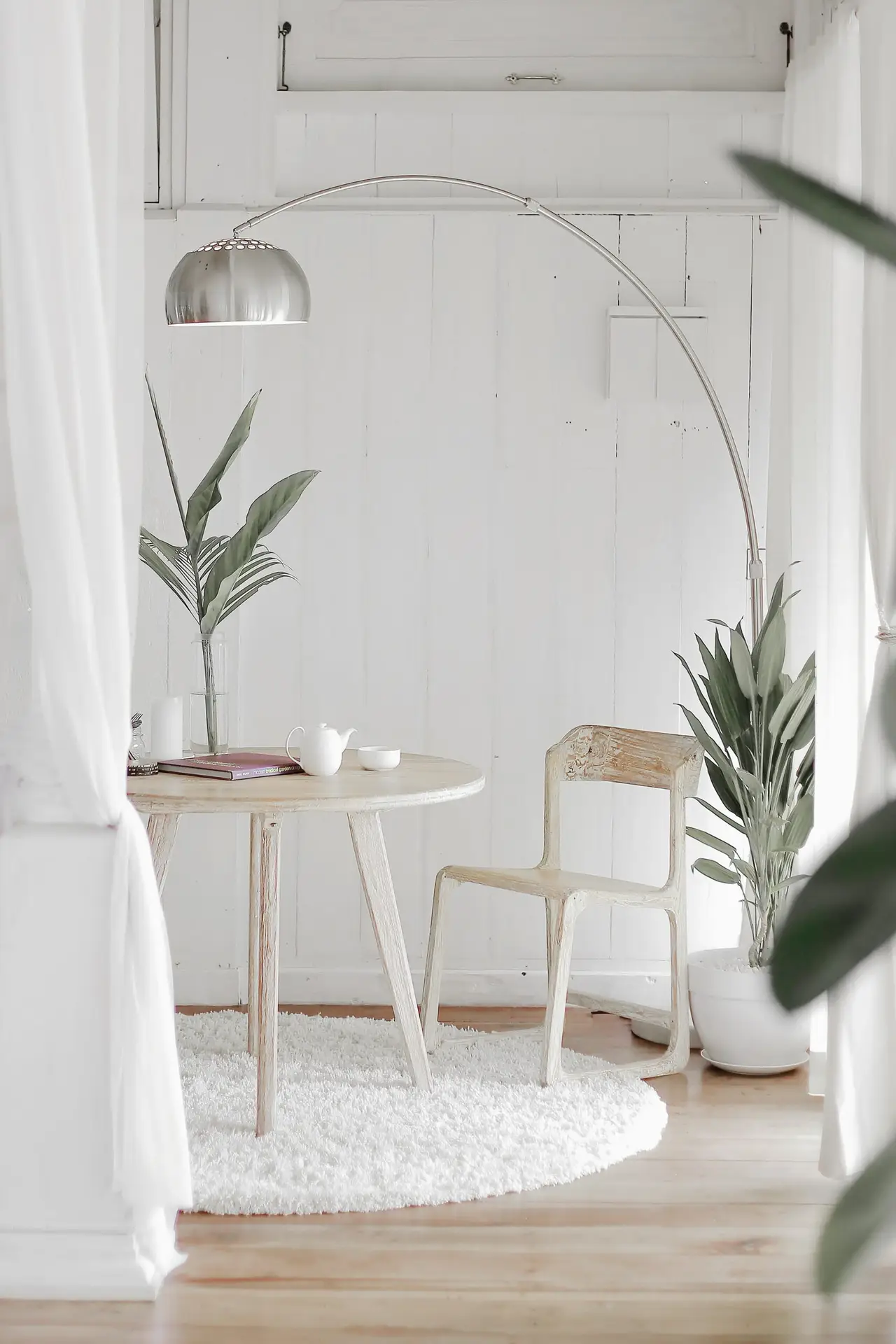
Do not overlook the importance of lighting and decor to create a comfortable ambiance in your living space. Opt for natural light sources, when possible, while also adding lamps or adjustable lighting to reduce eye strain during evening hours. Thoughtful decoration can make your workspace visually appealing, promoting a sense of creativity and motivation as you navigate your daily tasks. In conclusion, focusing on both functionality and aesthetics in your home office setup will provide the optimal environment for productivity and comfort.
Design and Decor: Making the Space Inviting
Transforming your living space into a productive home office involves thoughtful design and decor choices that enhance both efficiency and comfort. One of the key elements to consider is the color scheme of the room. Research indicates that colors can significantly affect mood and productivity. For example, soft blues and greens are often associated with calmness and focus, making them ideal for a workspace. Conversely, warmer colors like yellows can inspire creativity and energize the environment. Choosing a harmonious palette can create a pleasant atmosphere conducive to work.
Artwork also plays a crucial role in personalizing the home office while maintaining a professional aesthetic. Select pieces that reflect your personality, aspirations, or interests to spark motivation. Visual cues such as inspiring quotes or imagery related to your field can serve as reminders of your goals. When arranging artwork, consider using a focal piece that draws attention without overwhelming the space.
In addition to color and artwork, organization tools are essential for maintaining a clutter-free environment. Investing in stylish storage solutions and desk organizers can not only help keep the workspace tidy but also enhance its visual appeal. Consider multi-functional furniture that offers both storage and workspace options, maximizing the potential of your living area.
Incorporating plants into your home office is another way to invigorate the atmosphere. Indoor plants improve air quality and add a touch of nature, promoting a sense of calm and creativity. Select low-maintenance varieties such as succulents or snake plants that thrive in indoor conditions, allowing you to focus on work without worrying about upkeep.
Ultimately, a well-designed home office reflects your personality while creating an efficient work environment. Balancing aesthetics with functionality is key to fostering an inviting space where productivity can flourish.
Maintaining Work-Life Balance in Your Home Office
Transforming your living space into a functional home office requires careful consideration of work-life balance to ensure productivity without sacrificing personal well-being. One of the primary strategies for achieving this balance is to establish clear boundaries between work and personal life. This can be accomplished by designating a specific area within your home for work, separate from spaces associated with relaxation and leisure. By physically partitioning areas for work and home activities, you can create a mental barrier that aids in maintaining focus during work hours while allowing for unwinding after office hours.
Establishing a regular work schedule is another crucial element in fostering a healthy balance. This involves setting specific start and end times for your workday, effectively mirroring a traditional office environment. Adhering to a consistent routine not only helps in managing time effectively but also signals to both yourself and others when you are available for work-related inquiries and when you are not. Over time, this routine will help reinforce the separation between your personal and professional life, enabling both aspects to coexist harmoniously.
In addition to creating a designated work area and sticking to a schedule, incorporating breaks into your daily routine is vital for sustaining productivity. Short breaks can recharge your energy and improve focus, decreasing the risk of burnout. Integrating activities such as stretching, meditating, or simply stepping outside can significantly enhance your overall well-being during work hours. To further minimize distractions, consider employing techniques such as time-blocking or utilizing applications designed to limit interruptions. Establishing a ritual for transitioning into and out of work can also facilitate a clearer distinction between your work and personal life. By implementing these strategies, you can ensure that your home office remains a productive environment that supports a balanced lifestyle.