Introduction to Shower Screens
Shower screens serve a critical function in modern bathroom design, primarily by providing separation between the showering area and the rest of the bathroom. This division is essential not only for maintaining privacy but also for preventing water splashing onto other surfaces, thus contributing to a functional and visually appealing space. There are varying styles of shower screens available, with frameless and semi-frameless designs being among the most popular options, offering distinct aesthetic and practical benefits that cater to diverse preferences.
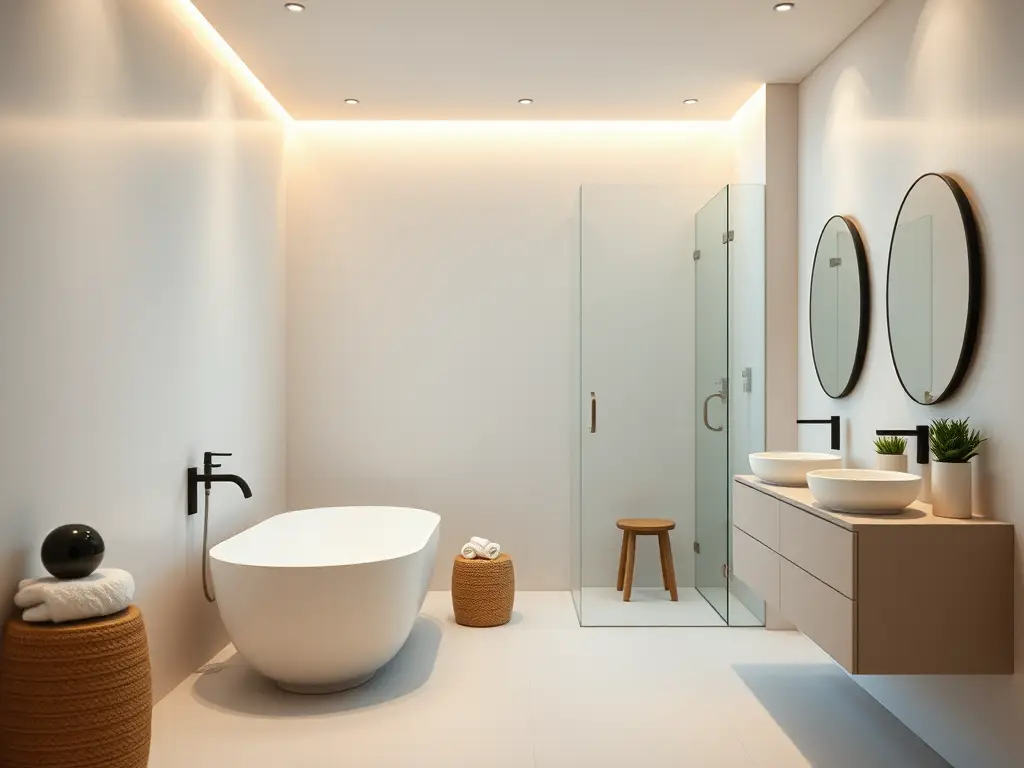
Frameless shower screens are characterized by their sleek, minimalist appearance. Lacking external frames, these screens create a seamless look that can make the bathroom appear larger and more open. This style is particularly attractive for contemporary interiors, emphasizing clean lines and allowing for unobstructed views of the tile work within the shower. The use of tempered glass ensures that frameless designs provide durability without compromising on style.
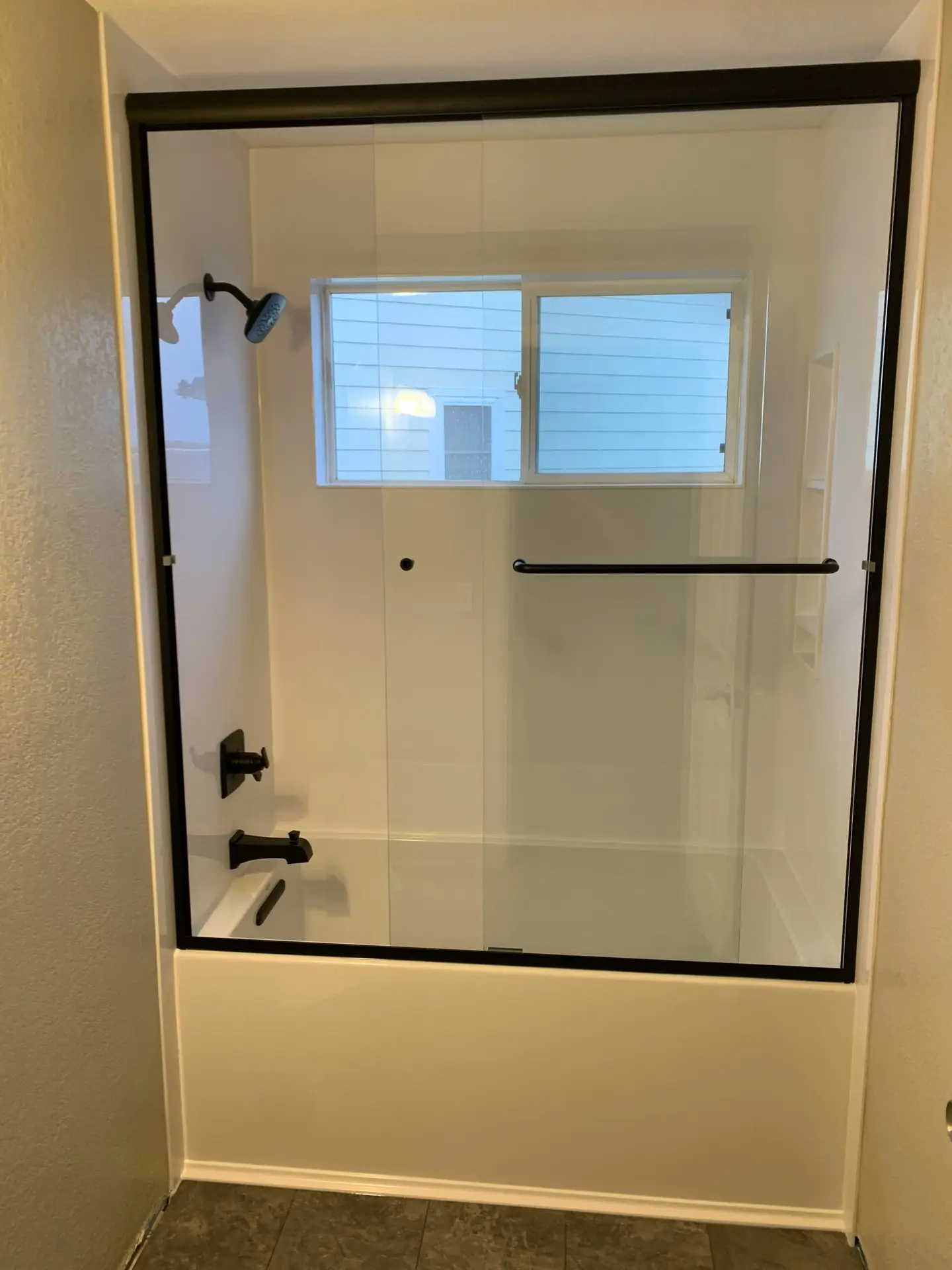
On the other hand, semi-frameless shower screens combine the strengths of both frameless and fully framed designs. They typically feature a minimal frame around the edges of the glass panels, which provides structural support while still allowing for some visibility of the glass. This blend makes them a robust and stylish choice, often appealing to those who seek sturdiness alongside modern aesthetics. The frame also assists in water retention, enhancing functionality in the bathroom.
Understanding these two types of shower screens—frameless and semi-frameless—is essential before making a decision. Both options offer unique advantages in terms of design and utility, making them worth considering for anyone looking to enhance their bathroom’s overall look and feel.
Understanding Frameless Shower Screens
Frameless shower screens are a modern solution that offers a sleek and contemporary appearance to any bathroom. These screens are constructed without the bulky metal frames commonly found in traditional shower enclosures. Instead, frameless designs utilize thick tempered glass panels that are secured by discreet hardware, allowing for maximum visibility and an open feel. The absence of framing lends itself to a more minimalist aesthetic, making frameless options quite popular in modern interior design.
In terms of materials, frameless shower screens are predominantly made from 10mm to 12mm thick tempered glass. This heavy-duty glass is not only sturdy but also provides the necessary safety standards required for bathroom installations. Furthermore, the clarity of the glass creates a seamless transition between the bathroom space and the shower area, making smaller bathrooms feel larger and more inviting.
The advantages of opting for a frameless shower screen extend beyond aesthetics. For instance, these screens minimize the potential for mold and mildew buildup since there are no frames or seals that can trap water and moisture. This also translates into easier cleaning, as there are fewer corners and crevices to navigate. Additionally, frameless installations can enhance natural light flow in the bathroom, creating a brighter atmosphere while accentuating other design elements.
However, common misconceptions persist regarding frameless shower screens. Some might question their durability, thinking that lack of frames makes them fragile. In reality, when installed correctly, they are highly durable. Furthermore, frameless screens can be ideal for a variety of bathroom styles, from contemporary to industrial, making them versatile choices for many homeowners.
Exploring Semi-Frameless Shower Screens
Semi-frameless shower screens represent a unique design choice in modern bathrooms, blending aesthetics and functionality to create an attractive yet practical shower enclosure. These installations typically comprise a combination of framed and frameless designs, using minimal framing to reinforce the structure while maintaining visual openness. This balance provides a clean and sleek look, reminiscent of frameless screens, but at a more accessible price point.
One of the significant advantages of semi-frameless shower screens is their cost-effectiveness. As fewer resources are required compared to fully frameless options, homeowners can achieve a contemporary aesthetic without incurring the higher costs associated with entirely frameless designs. This affordability makes semi-frameless options a popular choice for renovations and new builds alike.
In terms of installation, semi-frameless shower screens are generally easier to fit compared to their fully frameless counterparts. The semi-framed structure simplifies the mounting process, allowing for a more straightforward installation. This can lead to reduced labor costs and shorter timelines for project completion, appealing to budget-conscious homeowners.
Another feature worth mentioning is the enhanced durability offered by semi-frameless designs. The additional framework provides extra support, making these screens less prone to damage than a fully frameless screen, which relies solely on its structural integrity for stability. This can result in longer-lasting installations and potentially fewer maintenance concerns over time.
In summary, semi-frameless shower screens present a compelling option for those seeking a balance between cost, aesthetics, and functionality. They offer the visual appeal of modern designs while remaining practical and easy to install, making them a worthy consideration for any bathroom renovation project.
Aesthetic Appeal of Frameless and Semi-Frameless Shower Screens
The aesthetic appeal of shower screens plays a crucial role in defining the overall ambiance of a bathroom. Frameless shower screens are often celebrated for their modern and sleek appearance, creating an illusion of more space. This style enhances light flow, which significantly contributes to a bright and airy environment. By eliminating bulky frames, frameless options provide a seamless visual transition, making them particularly appealing in contemporary designs.
On the other hand, semi-frameless shower screens offer a balance between the clean lines of frameless designs and the structure provided by frames. This hybrid approach can introduce a touch of elegance while maintaining the simplicity that modern aesthetics demand. The visible frame, though minimal, can provide options for customization in finishes, allowing homeowners to match their hardware and fixtures more closely with existing bathroom elements.
When considering which style better complements various designs, it is essential to note that frameless shower screens work well in minimalist, modern, and industrial-themed bathrooms. Here’s why: they create a sense of openness and are less visually intrusive. Conversely, semi-frameless screens can be suitably integrated into traditional or transitional spaces, where a hint of framing can enhance a cohesive style without overwhelming the design’s delicate features.
Ultimately, the choice between frameless and semi-frameless shower screens will hinge on personal style preferences and the desired effect on the bathroom’s overall look. Homeowners should consider factors such as the existing décor, lighting, and how each style can contribute to an appealing atmosphere. By carefully weighing these considerations, one can select the option that not only meets functional needs but also elevates the aesthetic quality of the space.
Durability and Maintenance Considerations
When comparing the durability and maintenance requirements of frameless versus semi-frameless shower screens, it is essential to consider several factors, including frame materials, glass quality, and sealing options.
Frameless shower screens, made from thick tempered glass, offer heightened durability over time. These screens do not have a metal frame that could corrode or wear down, making them a long-lasting option. Additionally, the high-quality glass used in frameless designs tends to be more resistant to impact and scratches, contributing to their extended lifespan. Without a frame, cleaning is more straightforward, as grime and water spots have fewer areas to accumulate.
On the other hand, semi-frameless shower screens incorporate a partial frame, typically made from aluminum or stainless steel. While this does add structural support and design options, these frames can be susceptible to corrosion and require more attention in terms of maintenance. Regular cleaning is necessary to prevent buildup around the joints of the frame, which can lead to mold or mildew development. The glass used in semi-frameless options is also usually of high quality, yet the presence of the frame may make it appear less sleek compared to its frameless counterpart.
The sealing options are also crucial in determining long-term care. Frameless shower screens generally use silicone seals that require occasional replacement but are less prone to mold growth. In contrast, semi-frameless solutions may have seals integrated with the frame, which can wear out quicker and necessitate more frequent maintenance.
In summary, while frameless shower screens offer superior durability and ease of maintenance, semi-frameless alternatives present a balance of style and structural support but may require more effort to keep in optimal condition.
Cost Considerations and Budgeting
When choosing between frameless and semi-frameless shower screens, it is essential to consider the cost implications associated with each option. These costs can be categorized into initial purchase costs, installation expenses, and ongoing maintenance fees, which ultimately influence which option may be better suited for your budget.
In terms of initial purchase costs, frameless shower screens tend to have a higher price tag due to their premium materials and construction. Typically made of thicker glass, frameless designs provide a sleek, modern aesthetic but often come with a cost premium that can be significant. On the other hand, semi-frameless shower screens are generally more affordable, as they use a combination of framed and unframed glass elements, allowing them to reduce overall material costs while still offering a contemporary look.
Installation costs also differ between the two styles. Frameless shower screens require precise measurements and specialized installation techniques, which can increase labor costs. Moreover, the weight of the heavier glass necessitates professional installation to ensure safety and stability. Conversely, semi-frameless options are generally easier and quicker to install, leading to lower labor expenses, making them a more appealing choice for budget-conscious homeowners.
Over time, maintenance costs should also be factored into your budgeting process. Frameless shower screens typically require less maintenance due to the absence of metal frames, which can collect rust or mold over time. However, they may demand more frequent cleaning to maintain their clarity. Semi-frameless screens, while easier to clean than fully framed models, may incur additional costs due to the potential need for frame maintenance and replacement. Evaluating these cost differences can help homeowners make informed choices regarding their shower screen options, ensuring that they align with both aesthetic preferences and budget constraints.
Installation Guidelines and Complexity
When considering the choice between frameless and semi-frameless shower screens, understanding the installation processes and complexities involved is paramount. The installation of a shower screen, whether frameless or semi-frameless, requires careful consideration and sometimes professional expertise.
Frameless shower screens are known for their sleek, modern aesthetic but they typically come with a more complex installation process. Because they lack a supporting frame, frameless screens must be precisely measured and fitted. The installation often involves anchoring the glass directly to the wall and floor, which necessitates the use of robust mounting hardware to ensure stability and safety. This anchoring must be done with precision, as improper installation can lead to leaks or even glass shattering due to inadequate support. For these reasons, hiring a skilled installer familiar with frameless systems is generally advisable.
In contrast, semi-frameless shower screens can be simpler to install. While they still feature a minimal frame, which provides additional support, the semi-frameless design allows for slightly more forgiving installation practices. The frame provides a guiding structure that can help in aligning and sealing the glass panels. However, that does not negate the need for accurate measurements and secure mounting methods. For DIY enthusiasts, a semi-frameless shower screen may present a feasible option, provided they have the proper tools and follow detailed instructions.
In terms of installation time, frameless screens often require more time due to the precision work involved. Both types of installations may also depend on factors such as the type of wall materials in the bathroom, the existing plumbing, and the overall bathroom layout. Ultimately, whether you choose a frameless or semi-frameless shower screen, understanding these installation complexities will help you make a better-informed decision for your bathroom renovation project.
Customer Preferences and Recommendations
When it comes to choosing between frameless and semi-frameless shower screens, customer feedback plays a pivotal role in determining which option aligns better with individual needs and preferences. Many users express a preference for frameless shower screens due to their sleek, contemporary aesthetic, which often enhances the overall appearance of their bathrooms. The seamless design minimizes visual clutter, creating an illusion of more space while allowing for uninterrupted light flow, a feature particularly appreciated in smaller bathrooms.
Conversely, a significant number of customers favor semi-frameless designs for their practicality and robustness. Users note that the additional structural support provided by a frame offers a sense of security, especially in households with children or elderly individuals. This option combines the elegant look that users desire with added durability, making it a viable solution for many families.
Feedback often highlights the ease of cleaning frameless shower screens, as fewer edges and crevices result in less buildup of grime and soap scum. Many customers recommend opting for a quality glass treatment to further reduce maintenance efforts. Those who select semi-frameless designs, however, report that the frame can serve as an effective boundary, helping to keep water inside the shower enclosure and preventing leaks.
Surveys suggest that people with larger bathrooms are more inclined to invest in frameless options, valuing the spacious feel it introduces. On the other hand, those with compact layouts often choose semi-frameless screens, which allow for practical use of space without compromising on style. In conclusion, each option has its unique advantages, and customer recommendations favor selecting the style that best fits individual requirements and bathroom configurations, ensuring satisfaction for years to come.
Conclusion: Making an Informed Choice
When considering the installation of a shower screen, the choice between frameless and semi-frameless designs is significant and influences both aesthetics and functionality. Frameless shower screens offer a modern and spacious appearance, making them ideal for contemporary bathrooms. These screens provide a clean and unobstructed view, which can enhance the visual appeal of the space. However, their installation requires precision and often a higher initial investment due to the cost of materials and labor.
On the other hand, semi-frameless shower screens strike a balance between appearance and practicality. They are generally easier to install and may come at a lower cost compared to their fully frameless counterparts. The semi-frameless design incorporates some frame elements which can be beneficial in terms of structural integrity. This style is often more forgiving in older bathrooms with uneven surfaces, making it a suitable choice for those looking for durability without sacrificing style.
Ultimately, the decision hinges on personal preferences and specific requirements of the bathroom space. Factors such as the existing decor, potential maintenance challenges, and budget constraints should play a crucial role in the selection process. Some may prioritize the sleek look of frameless options while others may appreciate the practical advantages of semi-frameless designs. By weighing these considerations and understanding the distinct characteristics of each type of shower screen, homeowners can make an informed choice that aligns with their vision for a better, functional bathroom space.