Understanding Home Renovation Costs
The process of home renovation can evoke both excitement and apprehension, particularly regarding the associated costs. Full home renovations encompass a range of modifications, from aesthetic upgrades to substantial structural changes. The expenses involved in these renovations depend on various factors, making it essential for homeowners to have a clear understanding of what affects pricing.
Firstly, the type of renovation significantly influences costs. For instance, kitchen and bathroom renovations typically involve higher costs due to the need for specialized materials and labor. Conversely, cosmetic updates, such as painting or carpeting, may incur lower expenses. Structural changes, such as expanding a room or adding a new level, involve significant expenditure due to the complexity of construction and potential need for permits.
Secondly, the quality of materials selected plays a crucial role in determining the overall renovation costs. High-quality, durable materials often carry a higher price tag but may ultimately provide greater value over time. Homeowners should weigh the costs of materials against potential longevity and maintenance expenses. Consulting with a contractor or designer can help clarify which materials offer the best balance of cost and quality.
Labor costs also contribute to the budget for renovation projects. Skilled tradespeople, including electricians, plumbers, and carpenters, typically charge premium rates for their expertise. Geographic location has its own impact—urban areas may have higher labor costs due to demand. Understanding local market conditions can aid homeowners in estimating potential labor expenses.
Finally, the importance of thorough budget preparation cannot be overstated. Homeowners should account for potential unforeseen expenses that may arise during a renovation project, as these can significantly alter the total cost. By establishing a realistic budget and understanding the factors that influence renovation prices, homeowners can navigate the complexities of a full home renovation more effectively in 2026.
Cost Breakdown by Renovation Type
When planning a full home renovation, understanding the associated costs for different types of renovation projects is crucial. In 2026, homeowners can expect a variety of costs depending on the scope and nature of each project. Below is a breakdown of some common renovation types and their associated costs.
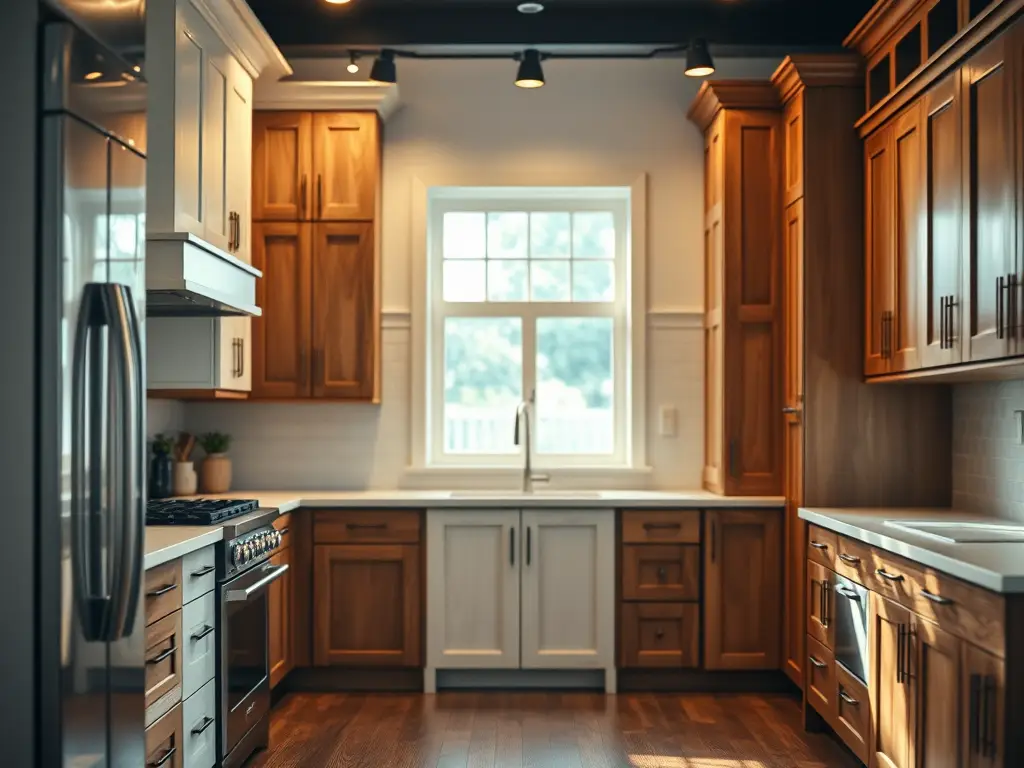
Starting with kitchen remodels, these can range significantly based on design choices and materials. A minor kitchen renovation may cost between $15,000 and $30,000, while a major overhaul could reach upwards of $50,000 or more, particularly if high-end appliances and custom cabinetry are included. The kitchen is often considered the heart of the home, and investing in an upgrade can provide a significant return on investment.
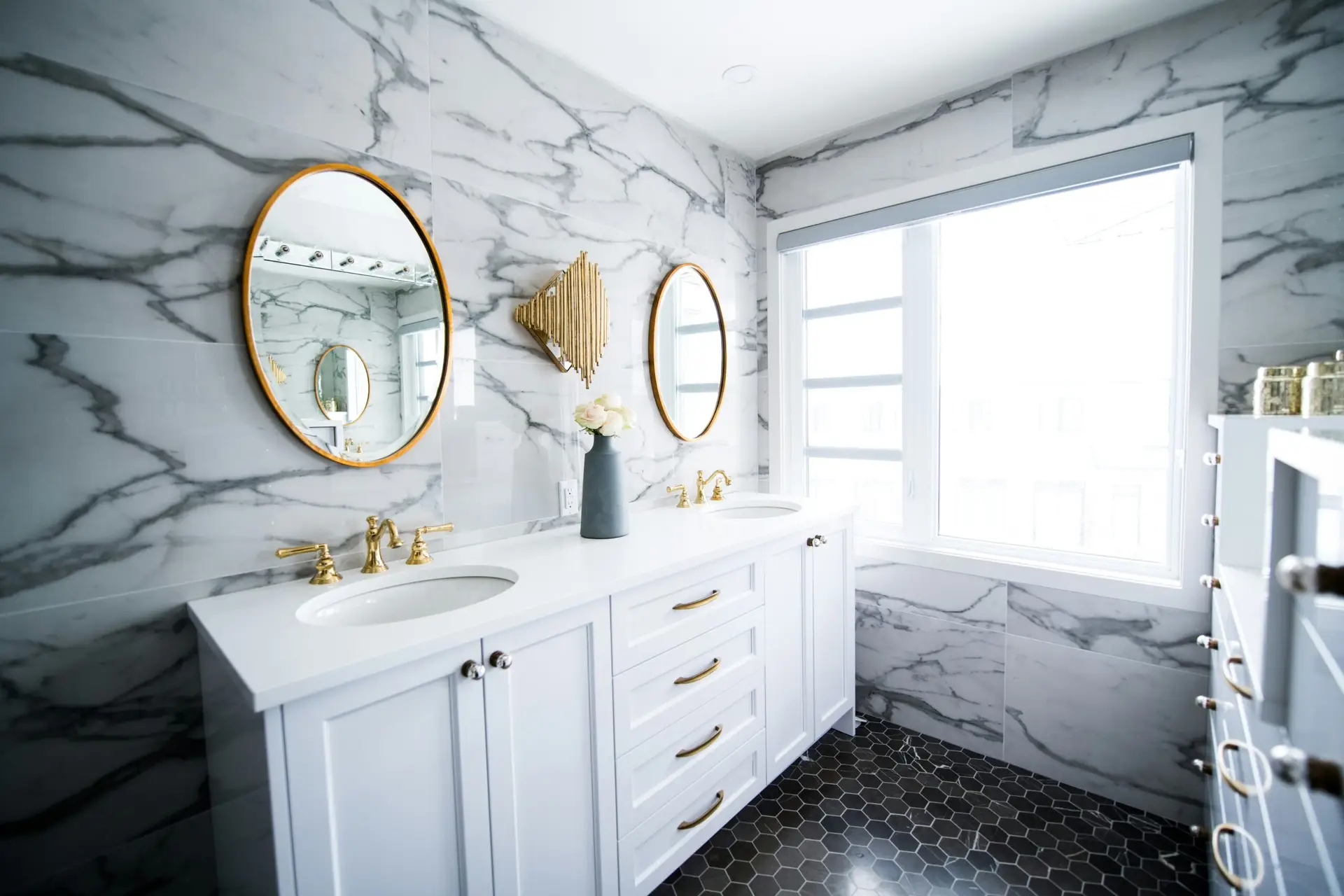
Next, bathroom renovations typically range from $10,000 to $25,000 for minor upgrades, but can escalate to $30,000 or higher for more comprehensive renovations that include expanding the space or employing luxury fixtures. These renovations not only enhance comfort and functionality but also improve property value.
Outdoor landscaping presents another important renovation category, with costs varying widely based on the desired features. A simple landscaping update can start at around $5,000, while a complete overhaul including hardscaping, lighting, and custom features can exceed $50,000. High-quality landscaping can enhance curb appeal significantly, which is beneficial for resale value.
It is also vital for homeowners to account for unexpected expenses, which can arise during any renovation project. Factors such as hidden damage or changes in project scope can lead to cost increases. Having a contingency budget of about 10-20% is advisable.
Overall, each renovation type carries its own cost implications while also providing valuable improvements to a home’s functionality and aesthetics. Homeowners should carefully assess their needs and budget to ensure a successful full home renovation.
Budgeting for Your Renovation: Tips and Strategies
Budgeting effectively for a full home renovation is vital to ensure that the project stays on track financially. One of the first steps in budgeting is to determine the total cost of your renovation project. Understanding the specifics behind renovation costs will help you create a realistic budget that considers all required expenses.
Begin by itemizing your renovation needs. Consider creating a list of desired renovations and assign costs to each item based on research and estimates. This approach gives a clearer picture of where finances will be allocated. Additionally, it’s crucial to include a contingency fund, typically 10-20% of the overall budget, to cover unexpected costs that often arise during renovations, such as structural repairs or changes in design plans.
Prioritizing projects is essential in managing your budget. Start with structural or foundational updates that may impact the safety and integrity of your home, such as electrical, plumbing, or roofing work. Once those critical areas are addressed, you can allocate funds to aesthetic renovations. This strategic approach can help ensure the most necessary updates are completed without overspending.
When considering contractors, it is imperative to research and compare multiple quotes to get an accurate sense of what your renovation will cost. Don’t simply choose the lowest bid; evaluate past work, references, and reviews to assess quality. Financing options, such as home equity loans or loans specifically intended for renovations, should be explored to provide flexibility in your cash flow.
Lastly, be aware of common financial pitfalls such as underestimating costs and not allowing adequate time for the project. Ensuring all aspects are planned will ultimately help in achieving a successful home renovation devoid of financial strain.
Case Studies: Real-life Renovation Cost Examples
Home renovations often come with a myriad of challenges, and understanding the financial implications is essential for any homeowner. Here, we present three case studies that capture diverse scenarios of full home renovations undertaken in various contexts, offering valuable insights into costs and decision-making processes involved.
The first case study involves a 2,500 square foot family home in a suburban area, where the owners aimed for a modern redesign while maintaining the original charm. They undertook a full renovation that included kitchen upgrades, bathroom remodels, and new flooring throughout. The total cost for the renovation was approximately $150,000. One of the main challenges faced was sourcing materials that aligned with their aesthetic while remaining within the budget, which they overcame by utilizing local suppliers and opting for cost-effective alternatives.
The second case showcases an urban loft renovation where the concept was to create an open floor plan for better functionality and flow. This project had a budget of around $100,000, but the final cost escalated to $120,000 due to unforeseen structural repairs. The primary challenge here involved adapting the existing infrastructure to accommodate the new design. An architect was enlisted to assist in efficiently navigating the layout’s complications, ensuring that they stayed as close to their initial vision as possible.
In our final case, a historical home underwent a thorough restoration with a focus on preserving its heritage while integrating modern comforts. This renovation, costing $200,000, presented significant challenges due to strict local regulations on home modifications. The homeowners worked closely with preservation experts to meet compliance, ultimately blending old-world charm with contemporary conveniences. This project emphasizes the importance of planning and collaboration with specialists to facilitate a smooth renovation process.
These case studies illustrate the complexities involved in full home renovations and highlight how costs can vary based on specific circumstances. Homeowners can draw from these experiences to better prepare for their renovation journeys in 2026 and beyond.